What is Neurofeedback?
What is Neurofeedback?
What is Neurofeedback?
Neurofeedback is a safe, non-invasive form of brain training that helps the brain learn how to better regulate itself. Neurofeedback is applied neuroscience — a practical way of using brain science to support well-being and resilience. By promoting brain self-regulation, it supports greater emotional balance, focus, and resilience.
There
Neurofeedback is a safe, non-invasive form of brain training that helps the brain learn how to better regulate itself. Neurofeedback is applied neuroscience — a practical way of using brain science to support well-being and resilience. By promoting brain self-regulation, it supports greater emotional balance, focus, and resilience.
There are several types of neurofeedback, and in our practice, we use infra low frequency neurofeedback (the Othmer Method), which we find to be the most effective.
ILF neurofeedback is a symptom-based training, meaning that our clients do not need a formal diagnosis or a named disorder to begin. The focus is on how the nervous system is functioning, not on labels. By training your brain to regulate its arousal levels, ILF neurofeedback can bring lasting relief from a wide range of symptoms — including those associated with anxiety, sleep problems, ADHD, chronic pain, and addictions.
Rather than only managing symptoms on the surface, we work with the underlying patterns in the brain and nervous system—supporting deeper, more lasting change.
Through regular neurofeedback training, the brain becomes more balanced and adaptable.
As your system settles and strengthens, life begins to open up — allowing you to create and experience more of what you truly desire.
Once the nervous system has reached a stable and well-regulated state through ILF Neurofeedback, we may introduce additional approaches to deepen the work. These include Alpha-Theta training, which supports the processing and resolution of past trauma, and Synchrony training, which helps cultivate a state of calm, clarity, and focused awareness.

Who is it for?
What is Neurofeedback?
What is Neurofeedback?
Using ILF neurofeedback, we can help both children and adults who would like to improve their functioning in everyday life.
This gentle form of brain training can help ease difficulties related to a wide range of conditions, with or without a formal diagnosis. Common areas of support include:
- Anxiety or low mood
- Sleep difficulties
- Emotional o
Using ILF neurofeedback, we can help both children and adults who would like to improve their functioning in everyday life.
This gentle form of brain training can help ease difficulties related to a wide range of conditions, with or without a formal diagnosis. Common areas of support include:
- Anxiety or low mood
- Sleep difficulties
- Emotional or behavioural difficulties manifesting as rages and angry outbursts
- ADHD and autistic spectrum challenges
- Chronic fatigue or pain
- Migraines and tension headaches
- Autoimmune disorders
- Addictions and disordered eating patterns
- Obsessive compulsive disorders
Neurofeedback training is highly effective on its own, but it also complements other therapeutic methods.
Because neurofeedback works at the physiological level first, it builds the foundation for lasting mental health improvement and emotional balance. For clients living in constant states of over-arousal—fight, flight, freeze, or shutdown—traditional methods like talk therapy or meditation can sometimes feel overwhelming. Neurofeedback helps calm the nervous system, quiet racing thoughts, release tension, and promote a sense of safety in the body. This natural anxiety relief makes it easier for people we work with to engage in other practices such as mindfulness, yoga, or psychotherapy, either alongside or following brain training sessions.
Supporting children
At our practice in Southampton, we provide a calm and understanding space where children can learn to better regulate their emotions, attention, and behaviour.
As their nervous system becomes more balanced, children often shift away from a constant state of emotional overwhelm or hyperarousal toward a calmer, more regulated state.
As a result, many families notice improvements in emotional regulation, behaviour, confidence, and the ability to cope—leading to better functioning both at home and in school.
People who take regular medication can also benefit from infra low frequency neurofeedback. In some cases, neurofeedback may reduce the need for medication or act as an alternative. Unlike medications whose effects fade once discontinued, neurofeedback builds on the brain's neuroplasticity, gently reshaping dysregulated firing patterns and creating new neural pathways. This means the positive effects can continue long after training has ended.
Because the process works below the level of conscious effort, there is no pressure to perform—making it particularly suitable for children and clients with learning disabilities. Research shows that adults respond to ILF neurofeedback much like children, demonstrating that the brain’s ability to grow, adapt, and heal continues throughout life.
Commitment from the client is important, as this symptom- and client-centred approach relies on ongoing feedback about any changes in symptoms. For children or clients with learning difficulties, parents or caregivers can observe and report behavioural changes, helping to track the progress of brain self-regulation.
If you're interested in how neurofeedback can support your emotional wellbeing, you're very welcome to get in touch.
We offer a free consultation call to answer your questions and help you decide if this approach is right for you.

How does it work?
What is Neurofeedback?
How does it work?
Infra low frequency neurofeedback (ILF neurofeedback) helps the brain “see” itself. Imagine dancers checking their posture in a mirror — the reflection provides feedback, allowing them to adjust their movements. In the same way, the brain can’t directly observe its own activity, but neurofeedback training provides real-time signals that g
Infra low frequency neurofeedback (ILF neurofeedback) helps the brain “see” itself. Imagine dancers checking their posture in a mirror — the reflection provides feedback, allowing them to adjust their movements. In the same way, the brain can’t directly observe its own activity, but neurofeedback training provides real-time signals that guide it to adjust and improve its functioning.
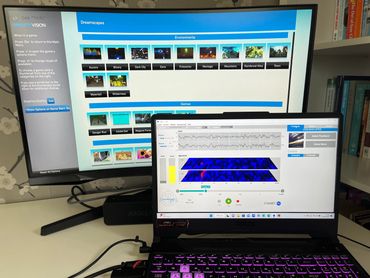
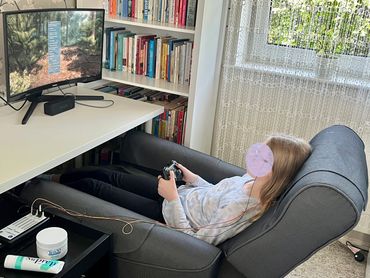
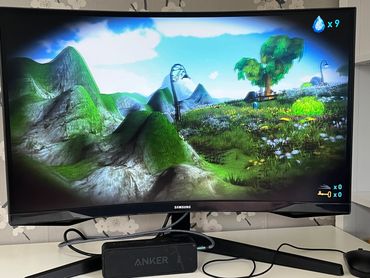
To do this, we attach a few sensors to specific areas of the client’s head (chosen based on symptoms — this is not a one-size-fits-all approach). Brain activity is processed through a computer program and reflected back via images and sounds. While clients watch an animation, the brightness, colour intensity, screen size, and volume change in response to their brain activity. This feedback allows the brain to recognise its own patterns and use that information to enhance brain self-regulation.
The brain responds subconsciously to these visual and auditory cues, naturally working to optimise its activity. Over time, this brain training helps it become more stable, flexible, and better able to cope with stress or adverse experiences. The result is improved emotional balance, sharper focus, and lasting mental health improvement, including noticeable anxiety relief.
Because we work at the level of the nervous system, this approach supports change at the root—not just managing surface-level symptoms.
As this process is non-invasive, nothing is fed into the brain. Like any skill, the more the brain engages with feedback, the more these new patterns become integrated — supporting lasting, positive changes in how the brain functions.
Photo Gallery